Posts
A selection of PdJ's LinkedIn posts on AI, licensing, trust and the commercial side of scholarly and medical publishing, published on LinkedIn. All text and visuals are PdJ Consulting's own.
In AI We Trust
The findings of the research programme, published as a short series through the autumn of 2026, one theme at a time.
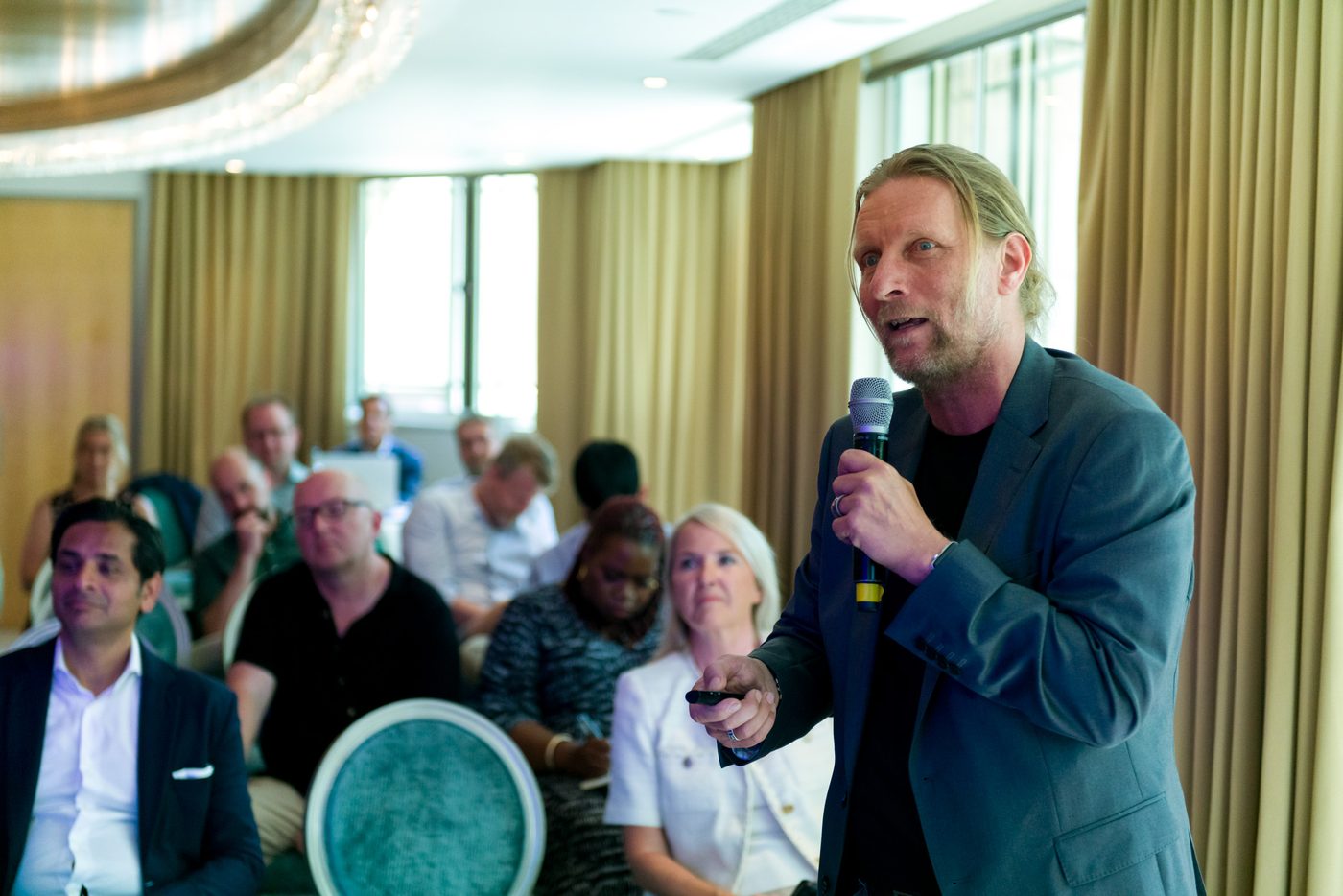
In AI We Trust: findings and where the research goes next
July 2026
At the end of June I presented In AI We Trust in London, an independent study built on 22 interviews with senior leaders across scholarly and medical publishing, looking at how they deploy AI and how they assure the quality of what it produces.
Read the post on LinkedIn
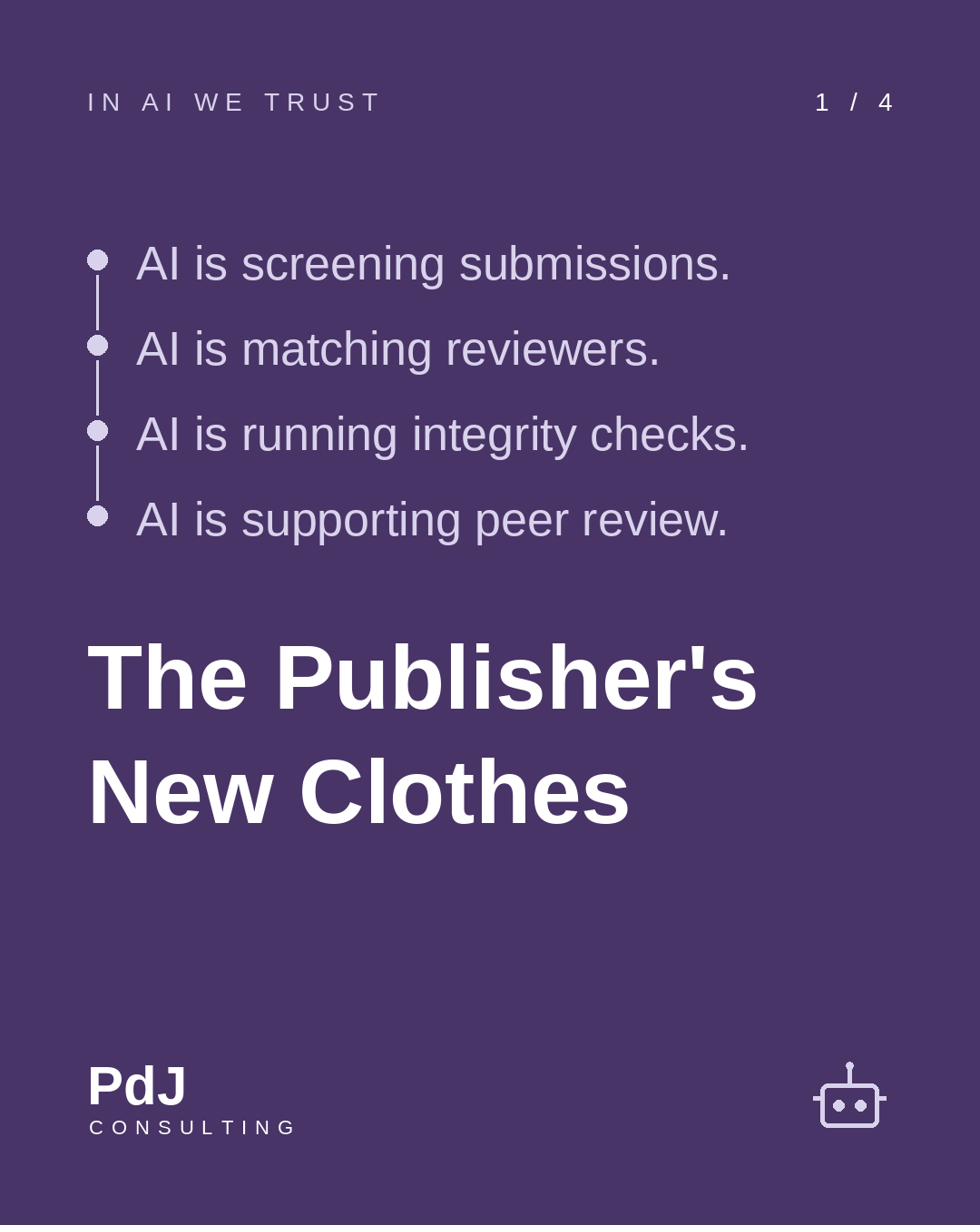
The publisher's new clothes
In AI We Trust, 1/4 · August 2026
AI is doing more and more of the work. So what is the publisher's new job? AI can run every check in publishing. That doesn't make AI a publisher: ownership of the standards, the decisions and the record has become more critical than ever.
Read the post on LinkedIn
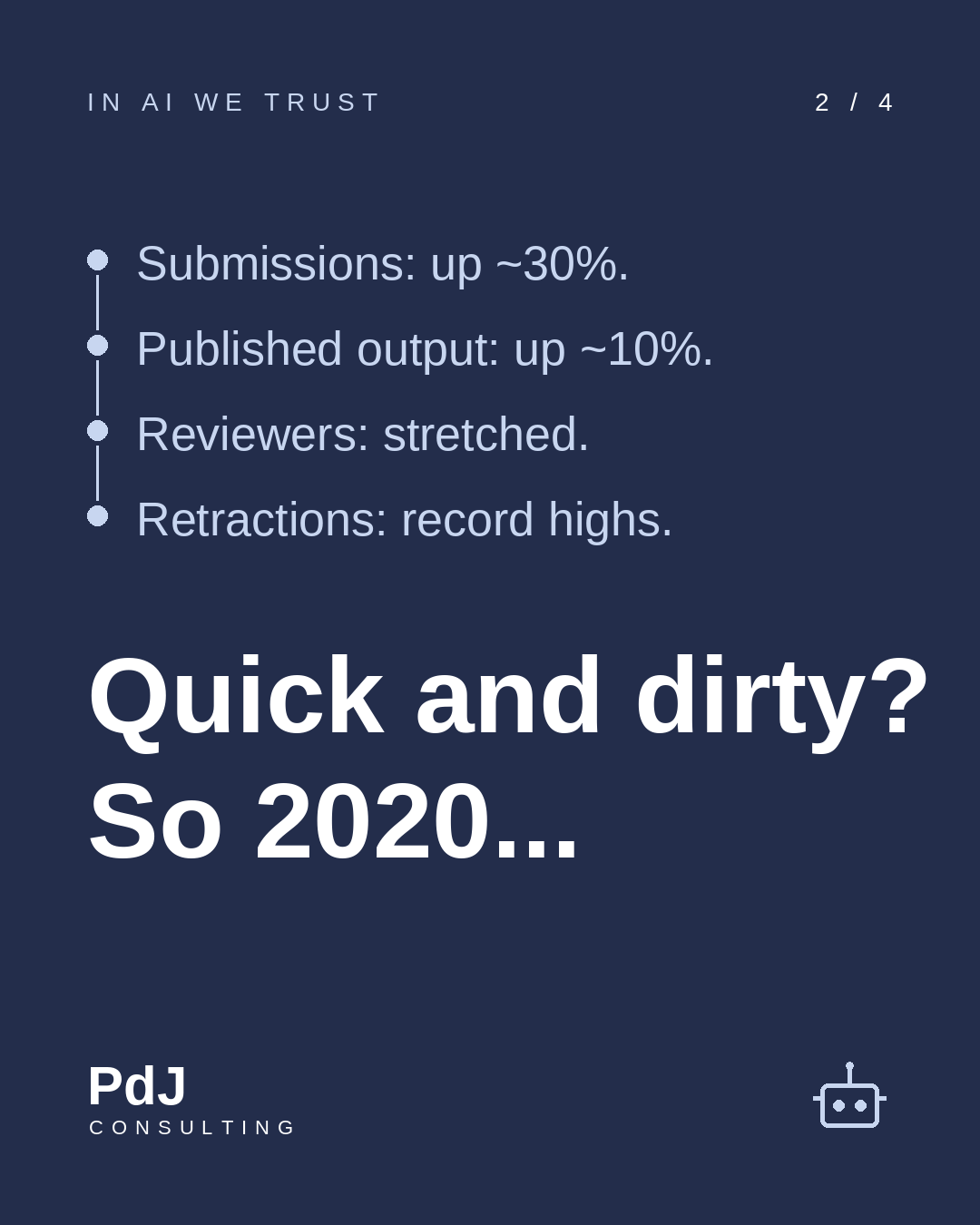
Quick, or clean?
In AI We Trust, 2/4 · September 2026
Everyone wants the speed, and nobody can afford the mess. Quick and dirty is out of fashion. AI in publishing has to be quick and clean. The publishers investing in validation aren't the slow ones. Increasingly, they're the only ones who can afford to be fast.
Read the post on LinkedIn
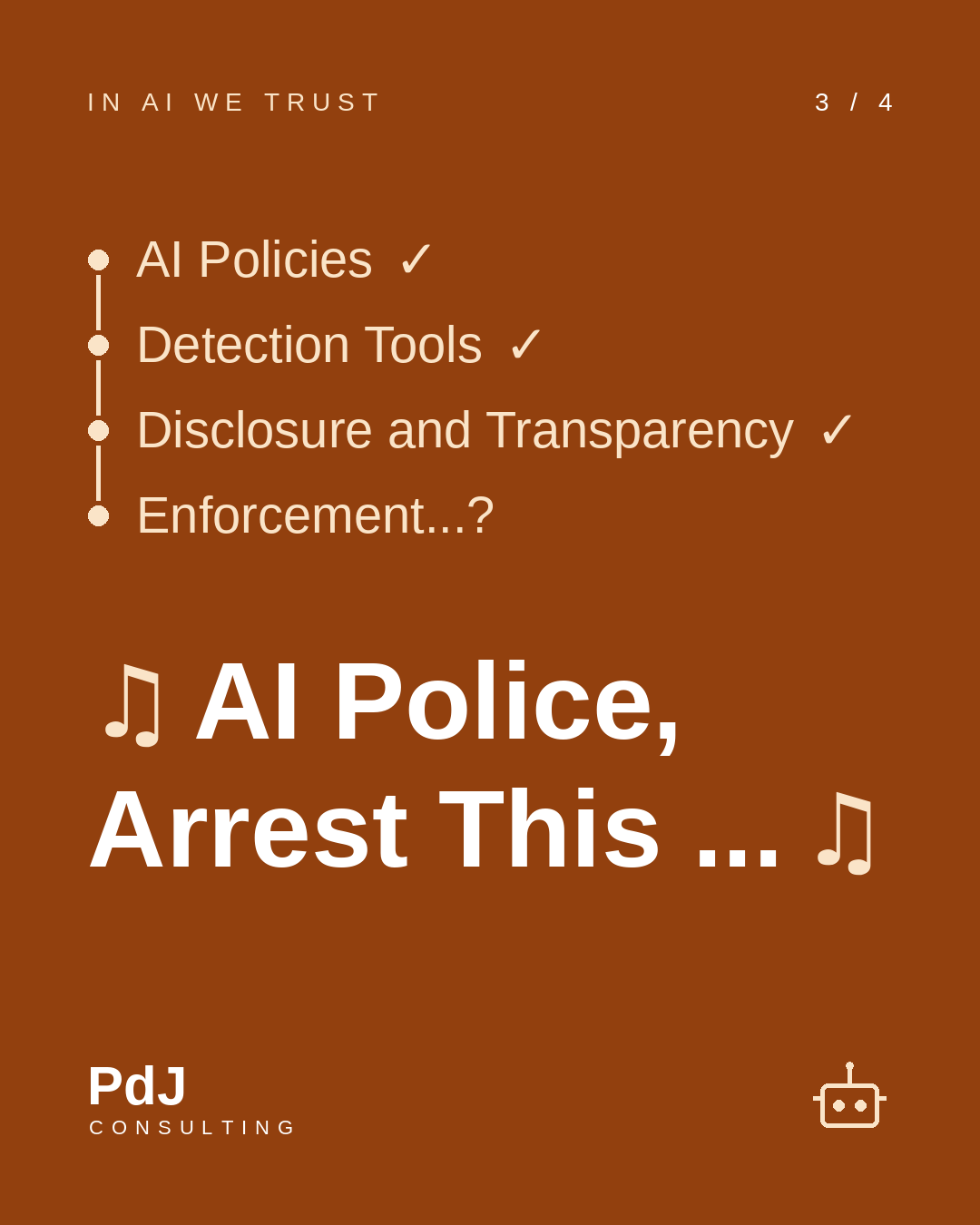
Who are the AI police?
In AI We Trust, 3/4 · September 2026
Almost every organisation now has AI guidelines, a committee and disclosure rules. What very few have is enforcement. Of the 22 organisations in the research, exactly one can show an audit trail: what the AI did, and who checked it.
Read the post on LinkedIn
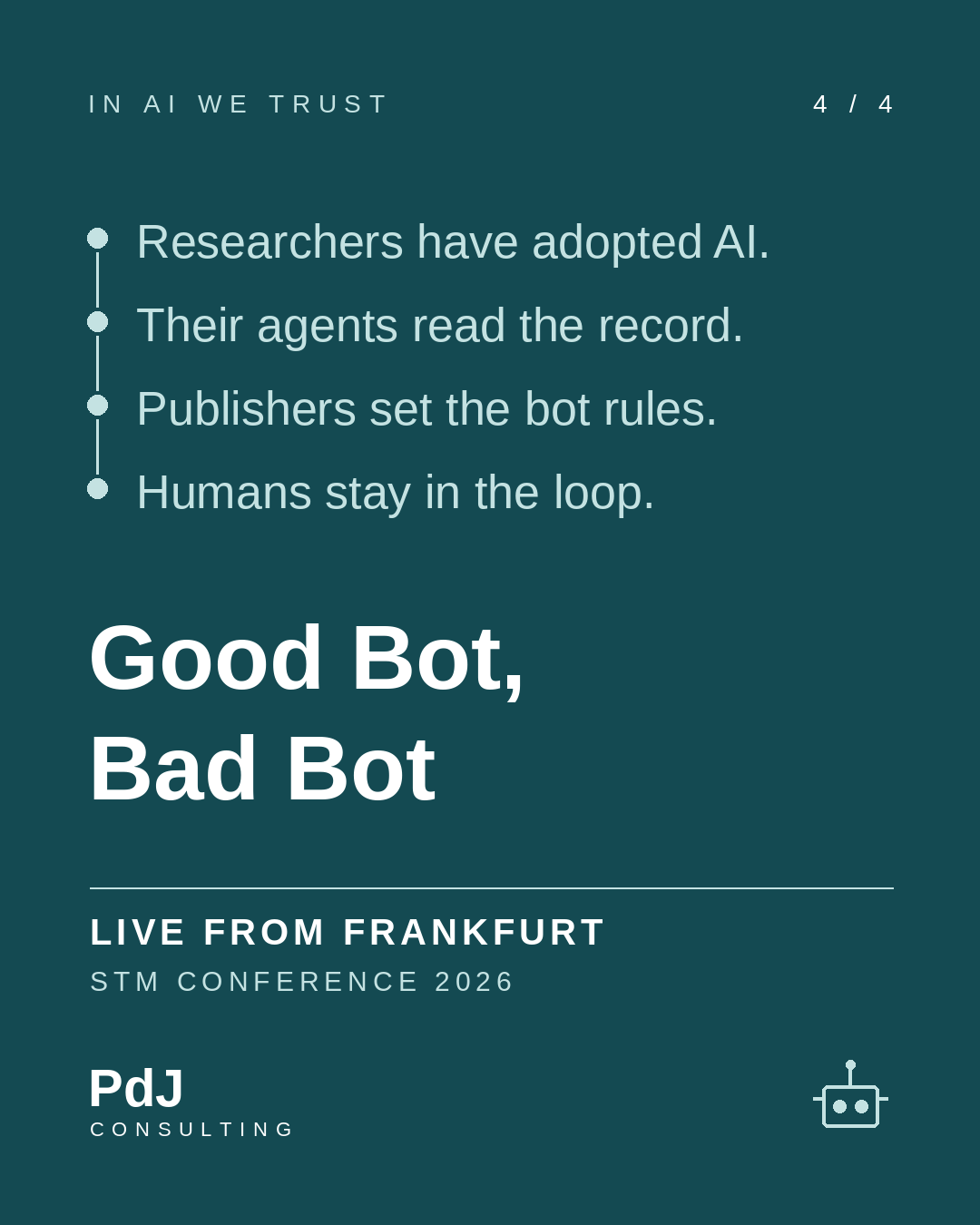
Good bot, bad bot?
In AI We Trust, 4/4 · October 2026
Live from Frankfurt, where the STM Conference set the tone for the week. Three things stayed with me: bot traffic, how the rights are handled and how the tone about researchers and AI has changed. Everyone keeps a human in the loop, and almost no one can show a record that the check happened.
Read the post on LinkedIn
Earlier writing
Pieces from the practice's first year on the questions that keep coming up with publishers, societies and rightsholders. And one on jargon.
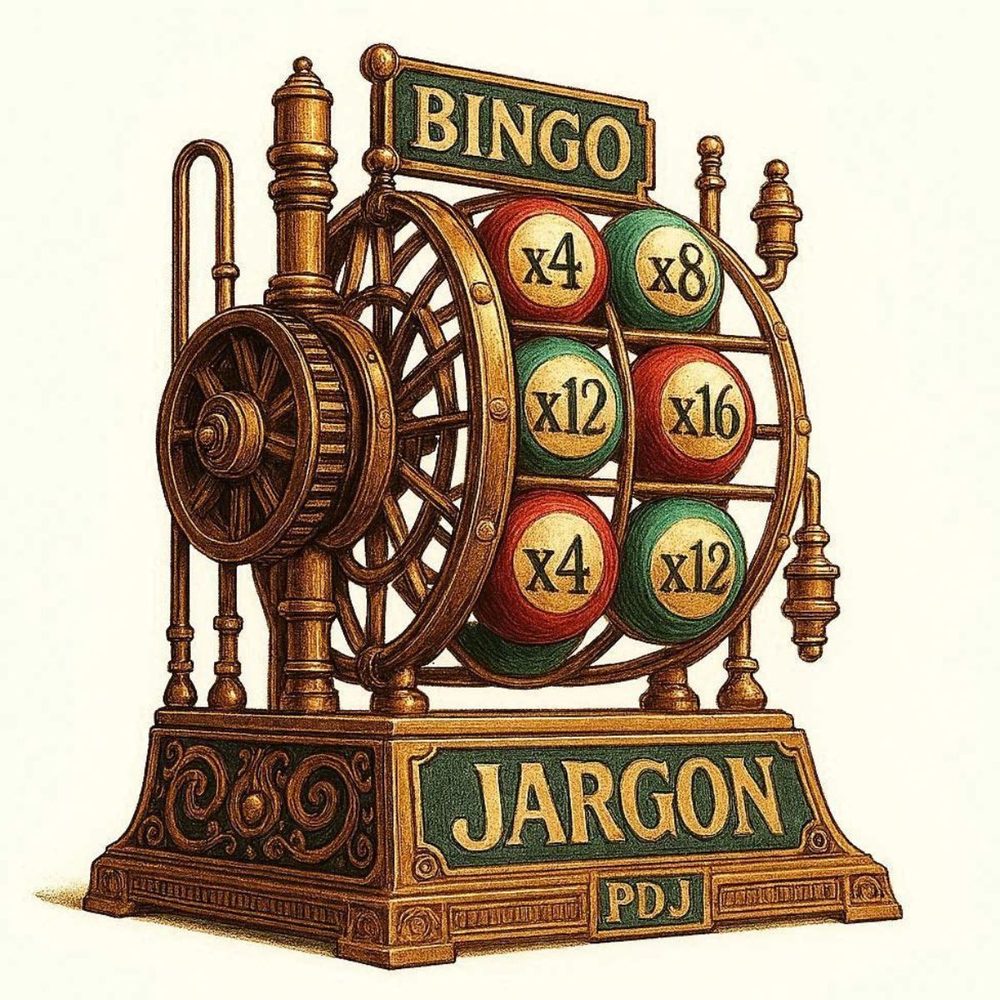
Jargon bingo
April 2026
People most impressed by corporate speak tend to make worse business decisions. So I went back through six months of my own LinkedIn posts. Unlocking value. Navigate disruption. Content monetisation. Trust layer. Guilty as charged. The jargon just pays better than the poetry.
Read the post on LinkedIn

The trust question in AI healthcare
January 2026
Who ensures quality when AI becomes the first place people turn for health answers? This article bundles my thinking on the theme that kept surfacing with clients through the start of 2026, from AI health advice gone wrong to licensed content as the trust layer.
Read the article on LinkedIn

Garbage in, garbage out
January 2026
Back in 2006 everyone was obsessing over how to write the ultimate SEO playbook. Keyword density, meta tags, link farms, the technical shortcuts that would game Google's algorithm. Twenty years on, AI is teaching the same lesson: quality inputs win, not clever tools.
Read the post on LinkedIn

2026 here we go: dusting off the crystal ball
January 2026
We've spent two years hearing what AI can do. 2026 will show us what it should do, and for whom. In STM publishing, integrity challenges didn't start with AI but AI accelerated them. Who becomes the trust layer here, and can it be made sustainable?
Read the post on LinkedIn
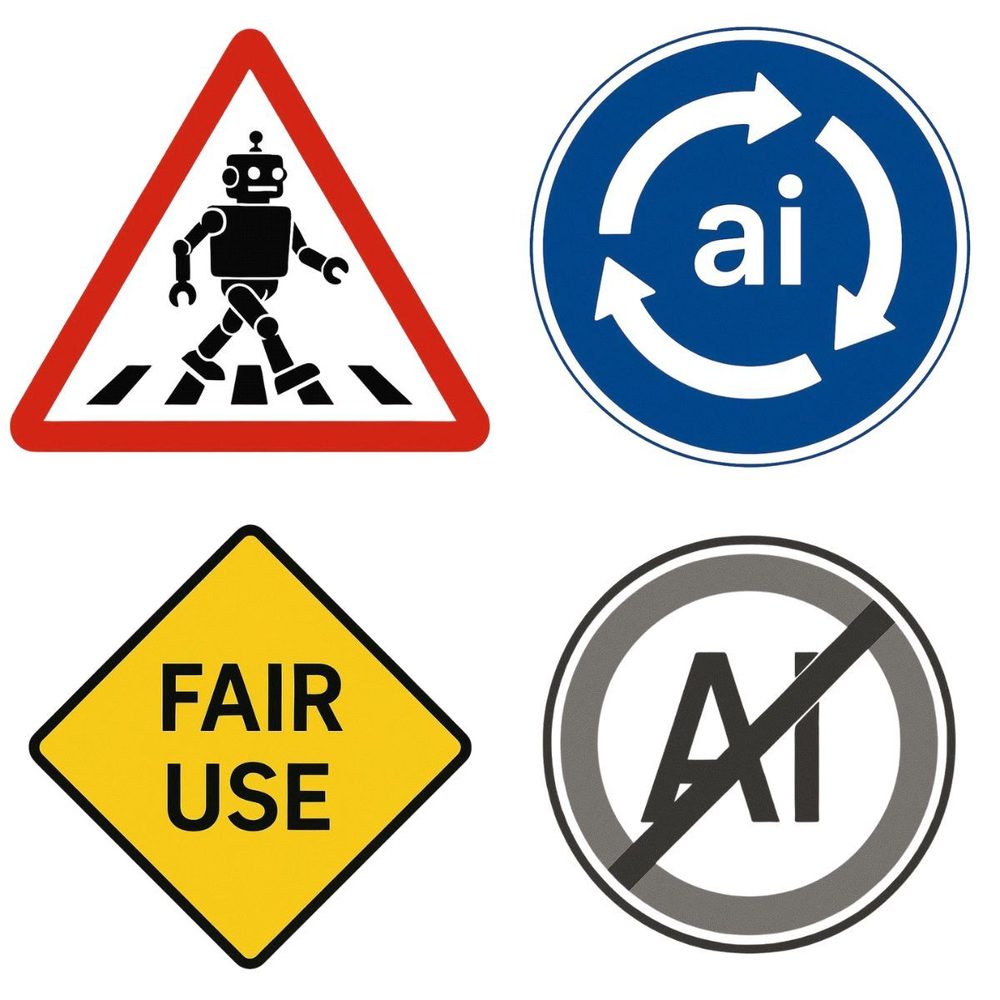
Research integrity meets AI: worlds colliding
November 2025
Research integrity has always been built on clear citation trails. When Article A influences Article B, we can see it. That's how the scholarly record maintains integrity and credit flows. AI training and research integrity are on a collision course.
Read the post on LinkedIn
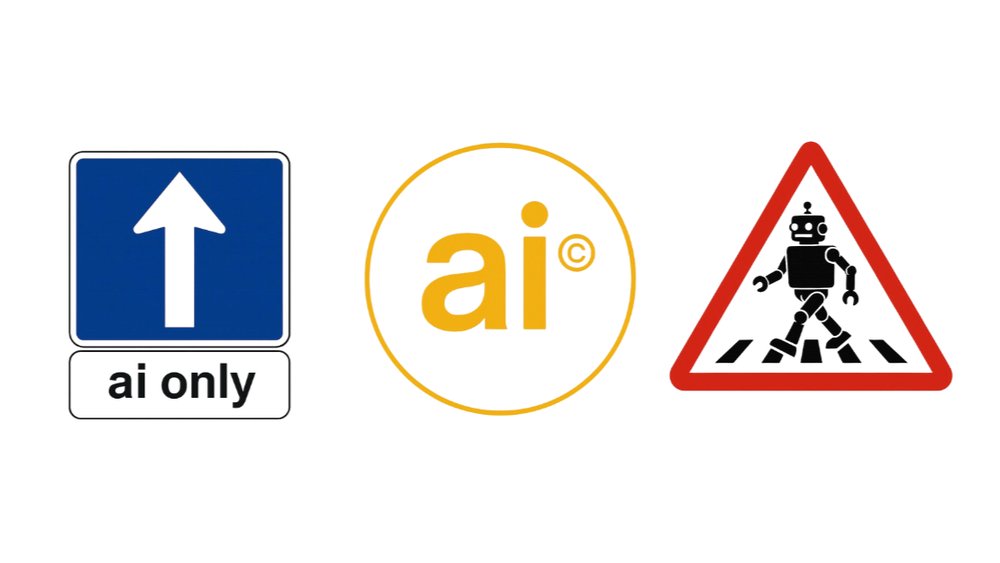
AI licensing: building a roadmap for a landscape without signposts
October 2025
Rightsholders are facing more decision points than ever with the opportunities and disruptions AI brings. How equipped are they to fully understand the consequences of the choices they make? And are the licensing and technology partners creating solutions rightsholders actually need and are able to adopt?
Read the article on LinkedIn